Skip to content

Work Injury Treatment in Atlanta, Georgia

Work injuries can affect your back, neck, joints, and daily movement. We provide personalized chiropractic care to support recovery without surgery or drugs.

Same-Day ServiceUpfront, Transparent PricingServing 12 CommunitiesMon-Fri: 9 am–7 pm, Sat-Sun: Closed
Work Injury Treatment at Arrowhead Clinic Chiropractor supports people in Atlanta after workplace strain, falls, lifting injuries, and other job-related pain. We begin with a thorough evaluation, then explain care options before building a plan around your condition and goals. Our care may include chiropractic adjustments, spinal decompression, corrective exercises, and therapeutic treatments. We're open Monday through Friday from 9 am to 7 pm.

What work injury care can change for your day

A care plan tied to the work event, symptoms, and movement goals.

Guidance for managing back pain, neck pain, sciatica, or joint discomfort.

Exercises that support function as movement improves.

A clearer view of how symptoms affect work and daily tasks.

What Work Injury Treatment Covers

Work Injury Treatment is chiropractic care that assesses and supports pain or movement limits linked to workplace activity or injury.
  • Work Injury Treatment differs from general wellness care because the evaluation focuses on the work-related event, symptoms, and functional goals.
  • The service covers non-surgical chiropractic care in Atlanta and surrounding communities, including adjustments, spinal decompression, exercises, and therapeutic treatments.
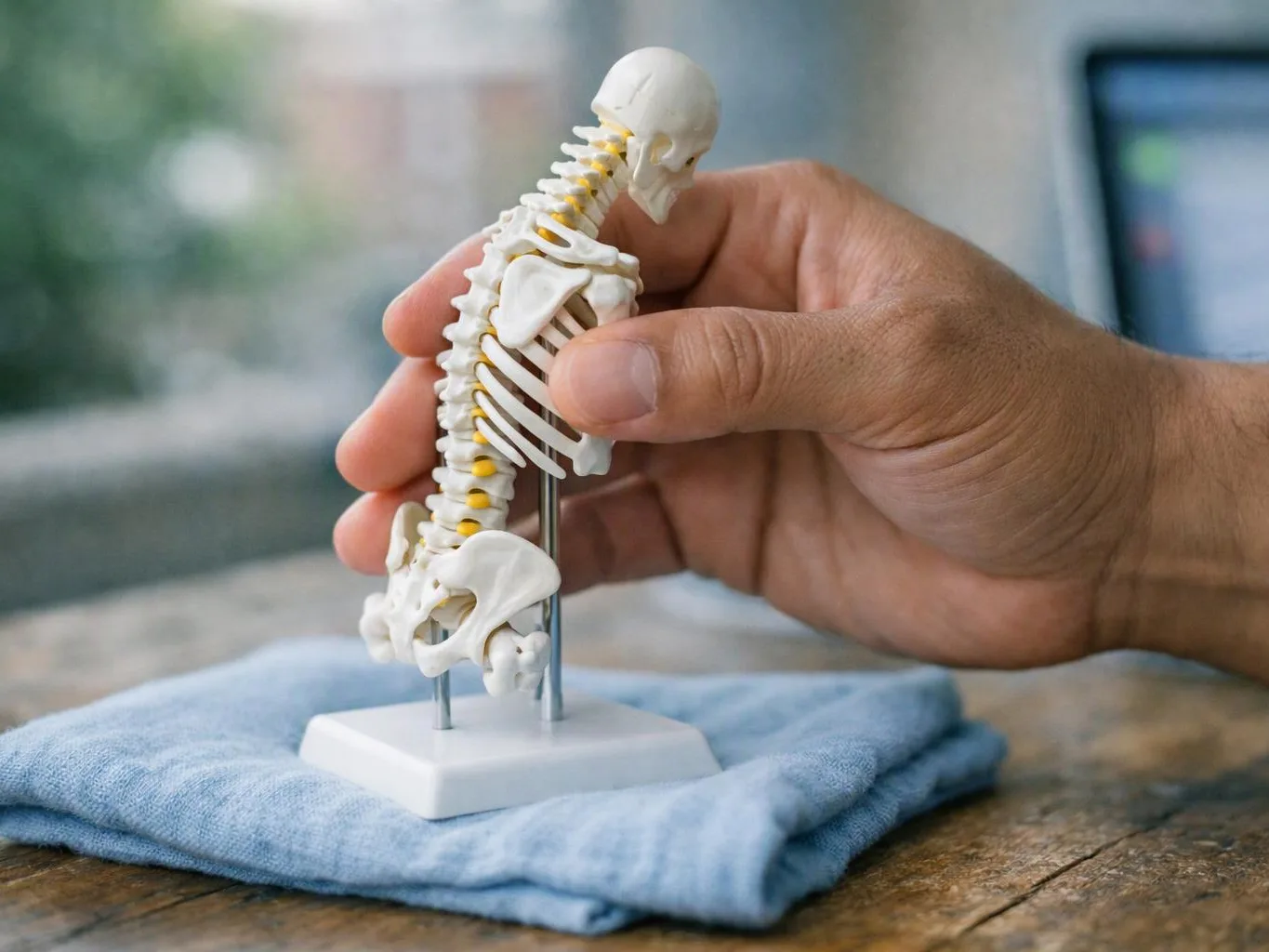
A hand holds a small human spine model on a folded blue cloth, with a blurred laptop in the background
About

How workplace injury care addresses pain and movement

Work Injury Treatment begins with a new patient intake, health history, and physical exam. We ask how the injury happened, where symptoms travel, and which work or home tasks now feel harder. The plan may include chiropractic adjustments, spinal decompression, corrective exercises, or therapeutic treatments. Each option has a different purpose, so we explain why it fits your findings before care begins. Progress is measured through symptoms, movement, strength, and function. Individual response differs, and the care plan can change after a progress re-examination. We don't promise a fixed outcome or timeline.

Process

Steps from workplace injury assessment to follow-up

1

Describe the workplace injury

We record how the injury happened, when symptoms began, and which tasks now cause pain or limited movement.

2

Complete the health history and exam

We assess posture, range of motion, tenderness, strength, and symptoms that may travel through an arm or leg.

3

Review the findings

We explain the report of findings in plain language and discuss whether chiropractic adjustments, spinal decompression, or exercises fit your needs.

4

Follow the care plan

We provide individualized, non-invasive care and review how symptoms and function respond during follow-up visits.

5

Recheck work-related function

A progress re-examination compares movement, symptoms, and daily function so we can adjust the plan when needed.

What to prepare before workplace injury care

Bring details that help us connect your symptoms with the work activity or event.

  • A short description of how the injury happened
  • The date symptoms began or changed
  • A list of tasks that increase pain
  • Any records or imaging related to the injury
  • A list of current symptoms and affected body areas

The Arrowhead Clinic Chiropractor Standard

Thorough Evaluation

We review the workplace event, health history, symptoms, movement, and job demands before recommending care.

Customized Care Plans

We match adjustments, decompression, exercises, or therapeutic care to each patient's findings and functional goals.

Questions about workplace injury care

Who provides work injury treatment at Arrowhead Clinic Chiropractor?

Arrowhead Clinic Chiropractor provides work injury treatment through chiropractic evaluations and individualized, non-invasive care. We review the injury history, symptoms, movement, and work demands before recommending care. Treatment may include adjustments, spinal decompression, corrective exercises, or therapeutic treatments. We explain each option before proceeding.

What should I do after an accident at work?

A workplace accident requires prompt reporting, appropriate medical attention, and a clear record of symptoms. Tell the relevant workplace contact about the event and note when symptoms began. Bring those details to our intake, along with any related records. Severe symptoms or major trauma require urgent medical attention.

What information should I bring after a work injury?

Injury details help connect your symptoms with the workplace event. Bring the activity or impact that caused the problem, affected body areas, symptom changes, difficult job tasks, and related records. Our new patient intake uses this information with your health history and exam to guide the care discussion.

Can corrective exercises support recovery from a work injury?

Corrective exercises can support movement and function when the evaluation shows they fit your condition. We choose exercises based on symptoms, strength, range of motion, and work demands. We also explain how each exercise relates to your goals. Individual response differs, so follow-up findings guide changes.

How does spinal decompression fit workplace injury care?

Spinal decompression may support care for selected back- or neck-related conditions. We consider your symptoms, exam findings, and goals before including it in a plan. Spinal decompression is not appropriate for every person or injury. We explain its role and other treatment methods before care begins.

How is progress measured during work injury care?

Progress is measured through symptoms, range of motion, strength, and work-related function. We ask which tasks have changed and compare those answers with follow-up findings. A progress re-examination helps us decide whether to continue, change, or review the care plan. Results vary between patients.

What has to be reviewed before the price of workplace chiropractic care is set?

The cost depends on the evaluation, services recommended, and care needed for the injury. We don't publish an amount in this information. Ask us for current pricing details after we understand your symptoms and requested care. Our owner-provided offer is free consultations.

Key Points About Work Injury Treatment

  • Work injury care starts with the event, symptoms, and work demands.
  • A thorough evaluation guides the treatment plan.
  • Adjustments and spinal decompression serve different clinical purposes.
  • Progress includes movement and function, not pain alone.
  • Individual response differs, so follow-up findings matter.
Contact

Discuss workplace injury care in Atlanta

Arrowhead Clinic Chiropractor can review your work-related pain, movement limits, and care goals. Schedule a consultation during our weekday clinic hours.

A hand folds a white towel on a black block beside a pump bottle near a window
Scenarios

When Customers Call Us About Work Injury Treatment

1

Pain After Repeated Workplace Lifting

Repeated lifting can strain the back and make bending, sitting, or carrying harder. The key issue is how the pain affects movement and job tasks, not just where it hurts. Bring a clear account of the lifting activity and symptom changes, then schedule an evaluation so we can assess function and discuss a customized care plan.

2

Neck Symptoms After A Workplace Impact

A workplace impact can leave neck pain, stiffness, headaches, or pain that spreads toward the shoulder. Symptoms may change as you work, rest, or turn your head. We need the event details, symptom pattern, and daily limits during intake. Our evaluation then guides the next care discussion.

3

Work Limits After A Strain

Some people notice that a strain affects standing, reaching, walking, or lifting even after the first pain settles. Function matters because work injury care should connect symptoms with real tasks. Write down the movements that cause trouble and bring related records, so we can review your goals during the exam.

Our Other Services

Sports Injury TreatmentAn ankle sprain or pulled hamstring can keep you away from training and competition. Sports injury care examines affected joints and soft tissue, then supports recovery with hands-on treatment and movement guidance.
Herniated Disc TreatmentA herniated disc may cause back pain, leg symptoms, or trouble bending. Treatment evaluates disc-related nerve irritation and uses controlled care to support movement while avoiding unnecessary surgical steps.
Knee Pain TreatmentKnee pain can make stairs, walking, and standing from a chair difficult. Treatment examines kneecap tracking, hip movement, and surrounding muscles to support steadier steps and improved comfort.
Laser TherapyOngoing muscle or joint soreness can make movement feel harder than it should. Low-level laser therapy applies focused light to affected tissue and may support circulation, comfort, and recovery.
Shoulder Pain TreatmentShoulder pain can limit reaching overhead, dressing, or sleeping comfortably. Care evaluates rotator cuff strain, shoulder mobility, and nearby joint mechanics to help restore useful arm movement.
Chiropractic Dry NeedlingTight trigger points can keep muscles painful and restrict normal movement. Chiropractic dry needling targets selected muscle bands to release tension and support better function alongside your broader care plan.

The health and wellness information on this website is for general informational purposes only and is not medical advice. It does not create a provider-patient relationship. Always consult a qualified licensed provider in Midtown Atlanta, Georgia, United States about your specific condition before making care decisions. Individual results vary.

(678) 235-3870