What causes poor posture during daily activities?
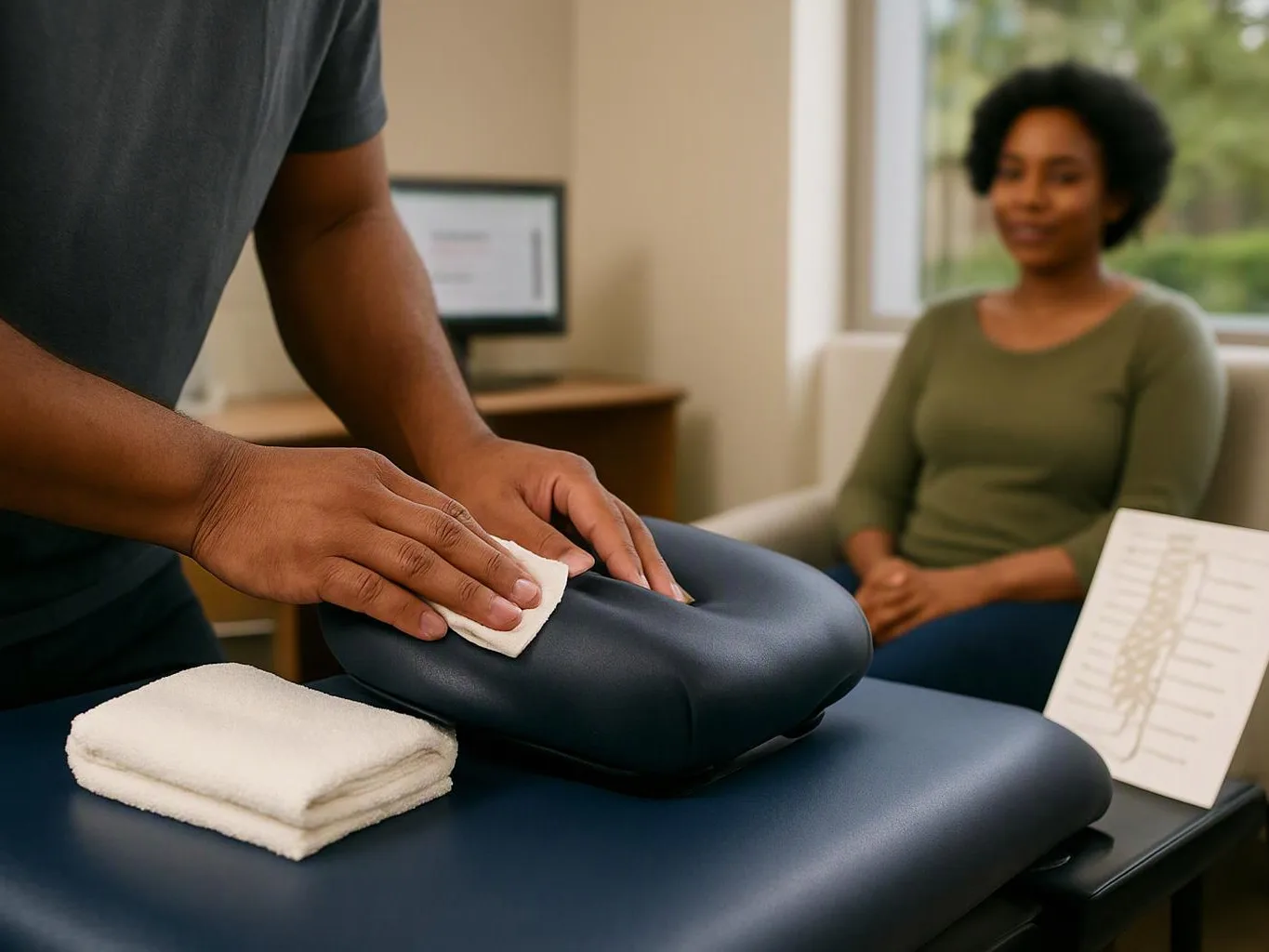
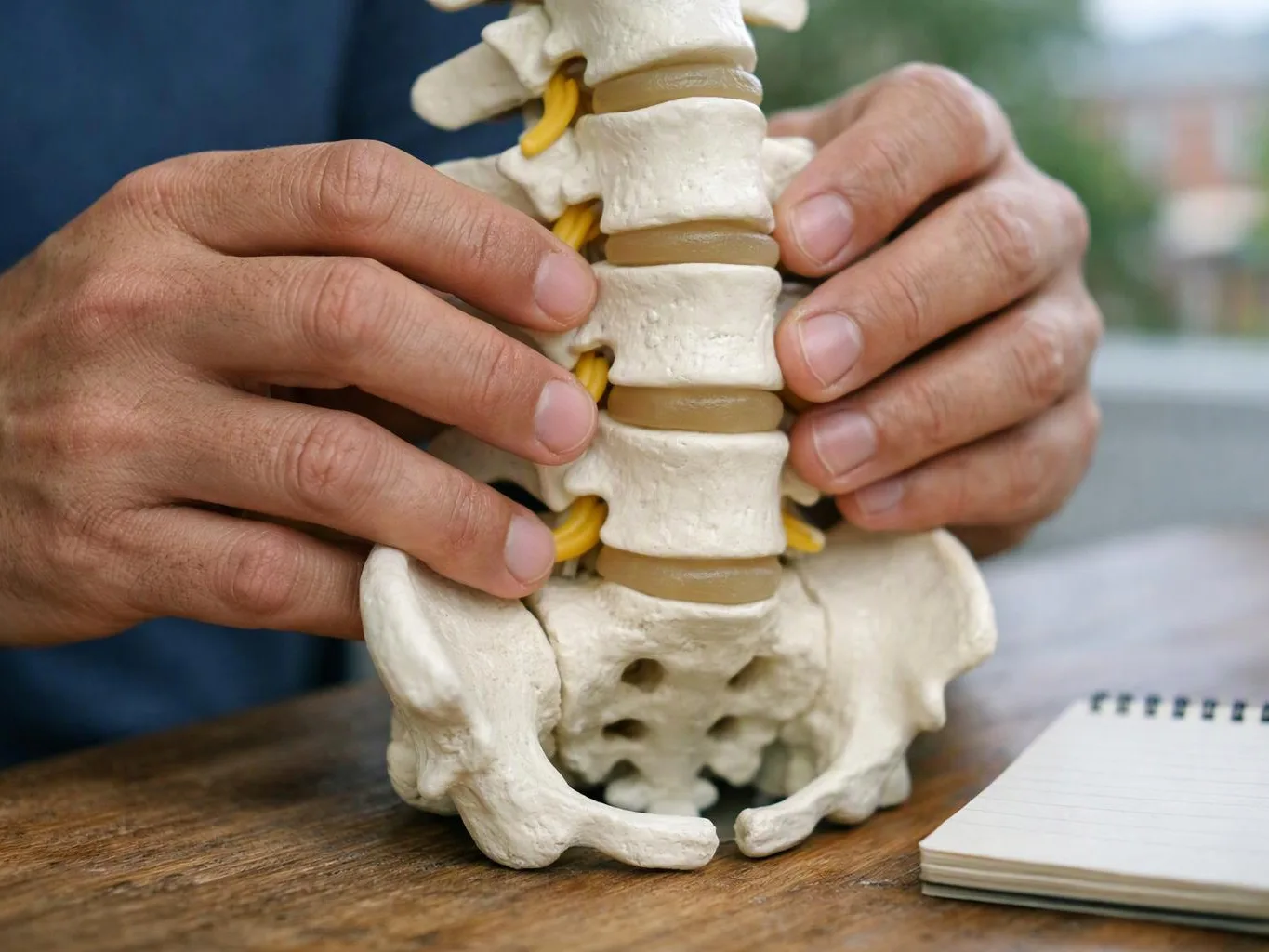
Pelvic tilt, forward head position, rounded shoulders, and muscle imbalance can cause poor posture during daily activities. Sitting habits, work demands, past injuries, and reduced joint movement can add strain. We review these factors during the health history and exam, then explain which parts of care may support better movement.
What should I ask before agreeing to posture correction?
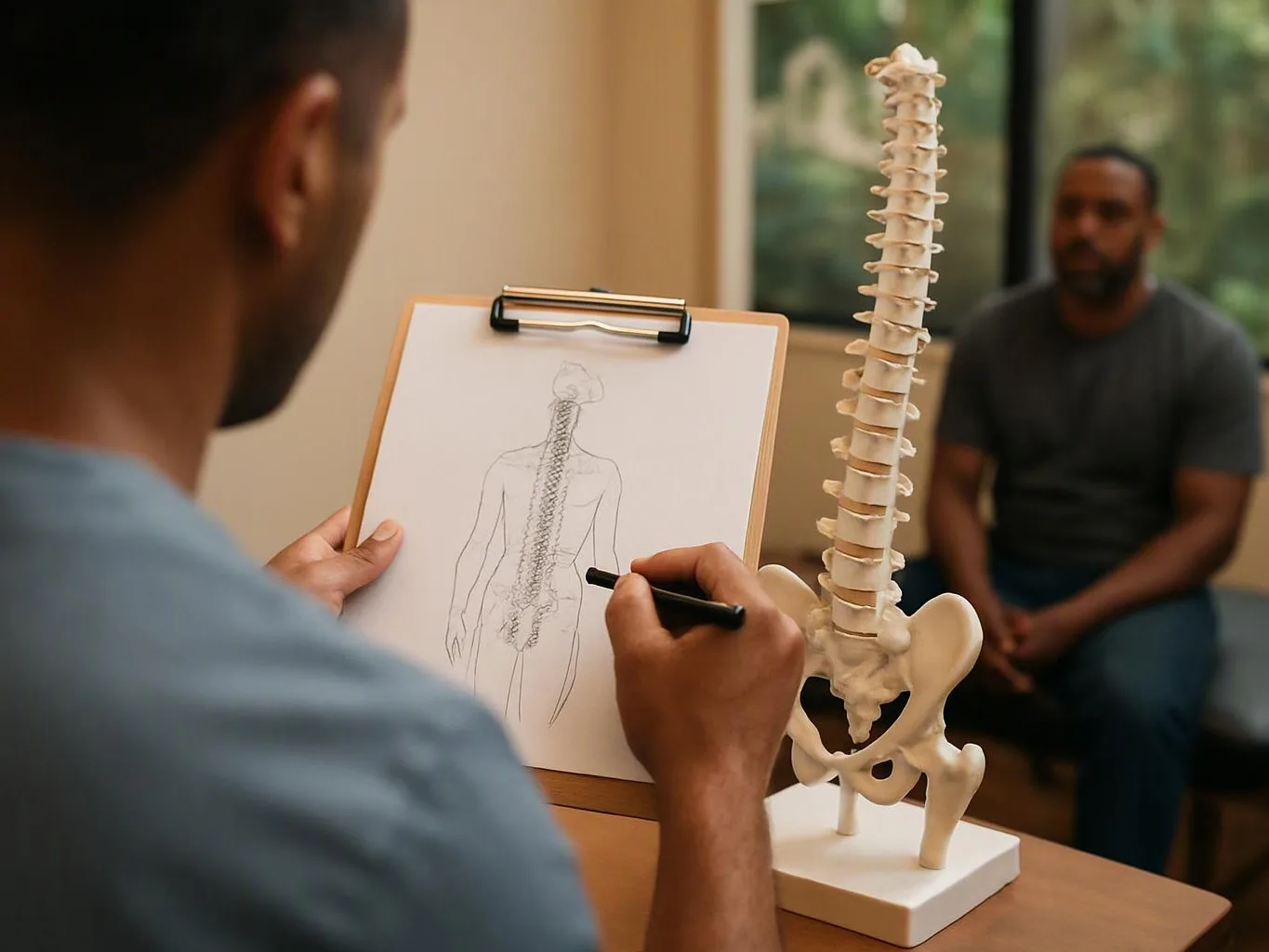
The care plan should explain the findings, recommended methods, and expected role of home exercises. Ask which symptoms the plan addresses and how progress will be reviewed. We explain adjustments, corrective exercises, spinal decompression, and soft tissue therapy before care begins, so you can make an informed choice.
Which condition changes the time needed for posture care?
The condition that changes care time is the complexity of the movement problem and related symptoms. A history of injury, limited range of motion, muscle imbalance, or several painful areas can affect the assessment. We review those findings during the intake and explain the next step without promising a fixed timeframe.
How is posture care matched to my condition before work starts?
A health history and physical exam match posture care to your condition before treatment starts. The review includes symptoms, movement, joint function, and daily activity. We may discuss diversified technique, corrective exercises, or soft tissue therapy after the findings are clear. X-rays are considered only when clinically indicated.
Why do corrective exercises matter for posture?
Corrective exercises matter because they give you an active way to practice stronger movement and body control. The exercises should fit the findings from your evaluation and your daily goals. We may pair them with chiropractic adjustments or soft tissue therapy, then explain how they support the broader care plan.
Can posture care include spinal decompression?
Spinal decompression may be included when the evaluation shows that this method fits your condition. The approach uses a spinal decompression table and is discussed as part of the personalized plan. Our team explains the purpose, limits, and other care options before you choose how to proceed.
Do I need a doctor's referral before starting care?
A doctor's referral is not stated as a general requirement for discussing chiropractic care with us. The first visit begins with your health history, symptoms, and examination. Share current diagnoses, medicines, injuries, and medical advice so our team can consider the full picture and explain suitable next steps.