Skip to content

Spinal Decompression Therapy in Morrow, Georgia

Negative pressure helps guide the treatment choice for spinal decompression therapy in Morrow. We explain how the traction table works and what your care plan includes.

Same-Day ServiceUpfront, Transparent PricingServing 12 CommunitiesMon-Fri: 9 am–7 pm, Sat-Sun: Closed

Quick Summary: Spinal decompression care in Morrow, Georgia

Spinal decompression therapy in Morrow is provided by Arrowhead Clinic Chiropractor for back pain, neck pain, sciatica, and related concerns. We serve individuals and families throughout Atlanta and surrounding communities with non-surgical, drug-free care.

  • What we do: Arrowhead Clinic Chiropractor provides Spinal Decompression Therapy for patients in Morrow, Georgia, using a traction table and patient-focused evaluation.
  • What is included: Patient evaluations, spinal decompression, chiropractic adjustments, corrective exercises, therapeutic treatments, and wellness guidance.
  • What you get: The patient receives a clear care plan for spinal decompression therapy and related chiropractic support.

Why does back pain keep happening during spinal decompression therapy?

Back pain can continue when disc pressure, muscle tension, joint limits, or daily movement habits still affect the spine. Spinal decompression therapy addresses the treatment area through controlled traction, while an exam helps identify related concerns. Arrowhead Clinic Chiropractor reviews symptoms and explains the next step before care begins.

Spinal Decompression Therapy in Morrow, Georgia for Disc-Related Pain

Spinal decompression therapy is designed for people who want non-surgical support for back pain, neck pain, sciatica, or related disc concerns. The work centers on how the spine moves, how symptoms behave, and whether controlled traction fits the patient’s goals.

Morrow patients receive an evaluation before treatment choices are discussed. We review health history, symptoms, movement, and any relevant records. X-rays may be considered when clinically indicated.

The key decision is fit. Spinal decompression therapy may suit some disc-related concerns, but it isn't the right answer for every condition. Our team explains the findings and may include adjustments, corrective exercises, soft tissue therapy, or wellness guidance when those services fit the care plan.

  • Bring a clear description of where symptoms begin and where they travel.
  • Share relevant health history, imaging, and information about prior injuries.
  • Ask how traction, adjustments, or exercises fit the proposed care plan.
  • Discuss what symptoms should be tracked during progress re-examinations.
A smiling woman sits in a gray chair beside a glass of water, with a spine model and a man working behind her

Service Overview

Spinal decompression therapy is a non-surgical treatment that uses controlled traction to change pressure around spinal discs.

  • Unlike a chiropractic adjustment, which applies a specific force to a joint, decompression uses a traction table and a gradual pull.
  • We provide this care for patients in Morrow and throughout Atlanta and surrounding communities.

What spinal decompression therapy may help you work toward

Controlled traction may help reduce stress around spinal discs for some patients.

The treatment gives patients a non-surgical option for selected back and neck concerns.

A focused plan can support better mobility during daily activities.

Care may include drug-free pain relief strategies alongside movement guidance.

Regular maintenance may help patients stay engaged with long-term spinal care when it fits their goals.

What spinal decompression therapy includes for your care plan

Arrowhead Clinic Chiropractor provides comprehensive Spinal Decompression Therapy in Morrow. Here's what you get:

  • A new patient intake records your symptoms, health history, and care goals.
  • A thorough patient evaluation reviews movement, tenderness, and related spinal concerns.
  • A report of findings explains whether controlled traction fits your needs.
  • A spinal decompression table provides the platform for the traction-based treatment.
  • A personalized chiropractic care plan may include decompression, adjustments, or corrective exercises.
  • Progress re-examination helps review how your condition responds to care.
Process

How we provide spinal decompression therapy

1

Complete the new patient intake

We record your symptoms, health history, prior injuries, and care goals before treatment choices are made.

2

Review movement and spinal findings

A thorough patient evaluation looks at movement, tenderness, symptom patterns, and related concerns. X-rays may be considered if clinically indicated.

3

Explain the report of findings

We discuss what the examination shows and explain whether a traction table fits your condition and goals.

4

Begin the selected care plan

When decompression is appropriate, we use controlled traction and may add chiropractic adjustments, corrective exercises, or therapeutic treatments.

5

Review progress and next steps

Progress re-examination helps us discuss your response to care and decide whether the plan should continue or change.

What to consider before choosing spinal decompression therapy

A careful fit check comes first

Your symptoms, exam findings, and health history guide the treatment choice. We explain the reasoning before care begins, and we do not treat every spinal complaint with decompression.

The table guides controlled traction

A spinal decompression table supports the treatment while the care plan focuses on the affected area. The setup differs from a manual adjustment because traction is the main method.

Clear explanations shape the plan

We use clear treatment explanations and personalized chiropractic care plans, so you understand how decompression relates to adjustments, exercises, and other therapies.

Traction care and related chiropractic options

These options use different methods, so the examination helps determine which approach fits the concern.

Care optionMain methodCommon planning focus
Spinal decompression therapyControlled traction on a spinal decompression tableDisc pressure, movement, and related symptoms
Chiropractic adjustmentA focused manual or instrument-assisted adjustmentJoint movement and spinal alignment concerns
Corrective exercisesGuided movement using exercises and tools such as TheraBandStrength, control, and daily movement habits

The Arrowhead Clinic Chiropractor Standard

  • Thorough Evaluation
  • Customized Care Plans
  • Clear Care Explanations
  • Individualized Protocols

Questions about spinal decompression therapy and care

How does spinal decompression therapy work?

Negative pressure and controlled traction change the load around spinal discs during treatment. A traction table supports the body while we apply the planned pull. Arrowhead Clinic Chiropractor reviews your symptoms and exam findings first, then explains how decompression may fit your care plan. Individual response differs, so progress is reviewed during follow-up care.

What does the first spinal decompression evaluation include?

The first evaluation includes a new patient intake, health history review, movement assessment, and discussion of your symptoms. We may consider X-rays when clinically indicated. The report of findings then explains the care options, which can include decompression, chiropractic adjustments, or corrective exercises.

Which symptoms should I mention before traction therapy?

Symptoms that travel into an arm or leg, change with movement, or follow an injury should be discussed before traction therapy. Share numbness, tingling, weakness, headaches, and changes in daily function as well. Our team uses that information with the exam to choose a safe care direction.

When should I request a consultation for disc-related pain?

A consultation makes sense when back or neck symptoms affect movement, work, sleep, or daily tasks. Morrow patients can discuss ongoing discomfort, sciatica, or injury-related concerns with our team. We review the complaint and explain whether spinal decompression therapy or another service better fits the findings.

Why might an adjustment be added to decompression care?

An adjustment may be added when the examination finds joint movement concerns that traction alone does not address. Our care plan can combine spinal decompression, diversified technique, corrective exercises, or soft tissue therapy when appropriate. We explain each part before adding it to your treatment plan.

What changes the cost of this traction-based care?

The evaluation findings and services included in the care plan shape the cost of traction-based care. A plan with decompression alone differs from one that also includes adjustments, therapeutic treatments, or corrective exercises. We discuss those details during a free consultation before care decisions are made.

Who provides spinal decompression therapy in Morrow?

Arrowhead Clinic Chiropractor provides spinal decompression therapy in Morrow. Our team begins with a patient evaluation and explains how the traction table, adjustments, exercises, or other treatments may fit your goals. Care remains non-surgical and drug-free, with individual response reviewed as treatment continues.
Contact

Discuss spinal decompression therapy in Morrow

Start with a free consultation and a review of your symptoms, health history, and care goals. Arrowhead Clinic Chiropractor will explain whether spinal decompression therapy fits your next step.

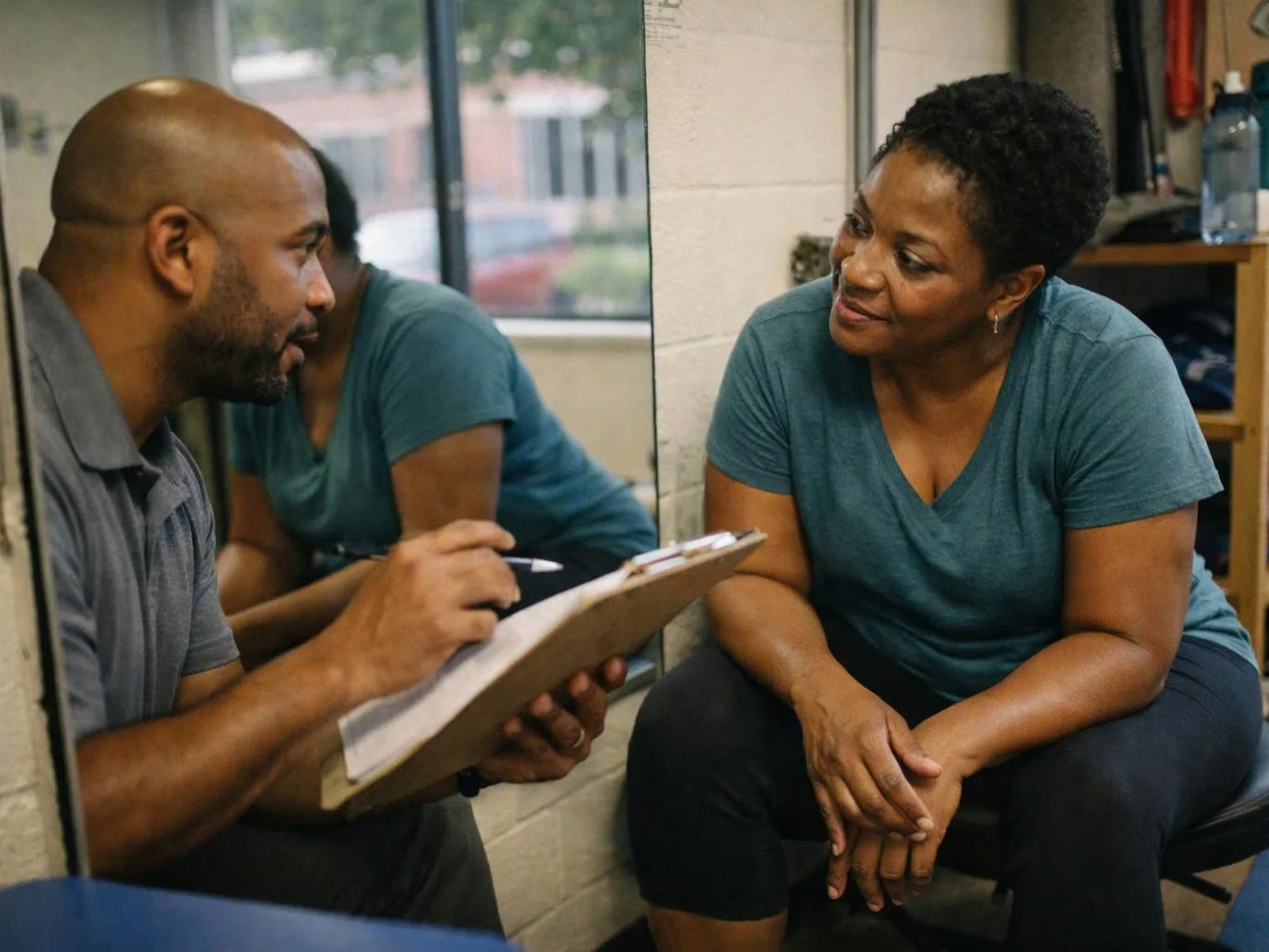
A man with a clipboard talks with a seated woman in a room with a mirror and window

ZIP Codes We Serve in Morrow, Georgia

3026030287

Spinal Decompression Therapy in Other Areas

The health and wellness information on this website is for general informational purposes only and is not medical advice. It does not create a provider-patient relationship. Always consult a qualified licensed provider in Midtown Atlanta, Georgia, United States about your specific condition before making care decisions. Individual results vary.

(678) 235-3870