What triggers headaches related to muscle tension?
Screen strain, stress buildup, jaw clenching, and poor sleep can trigger headaches linked with muscle tension. Arrowhead Clinic Chiropractor checks these factors during the intake and exam. The review also covers neck movement, posture, and daily habits. Care options may include adjustments, soft tissue therapy, or corrective exercises when the findings support them.
What should I ask before agreeing to headache care?
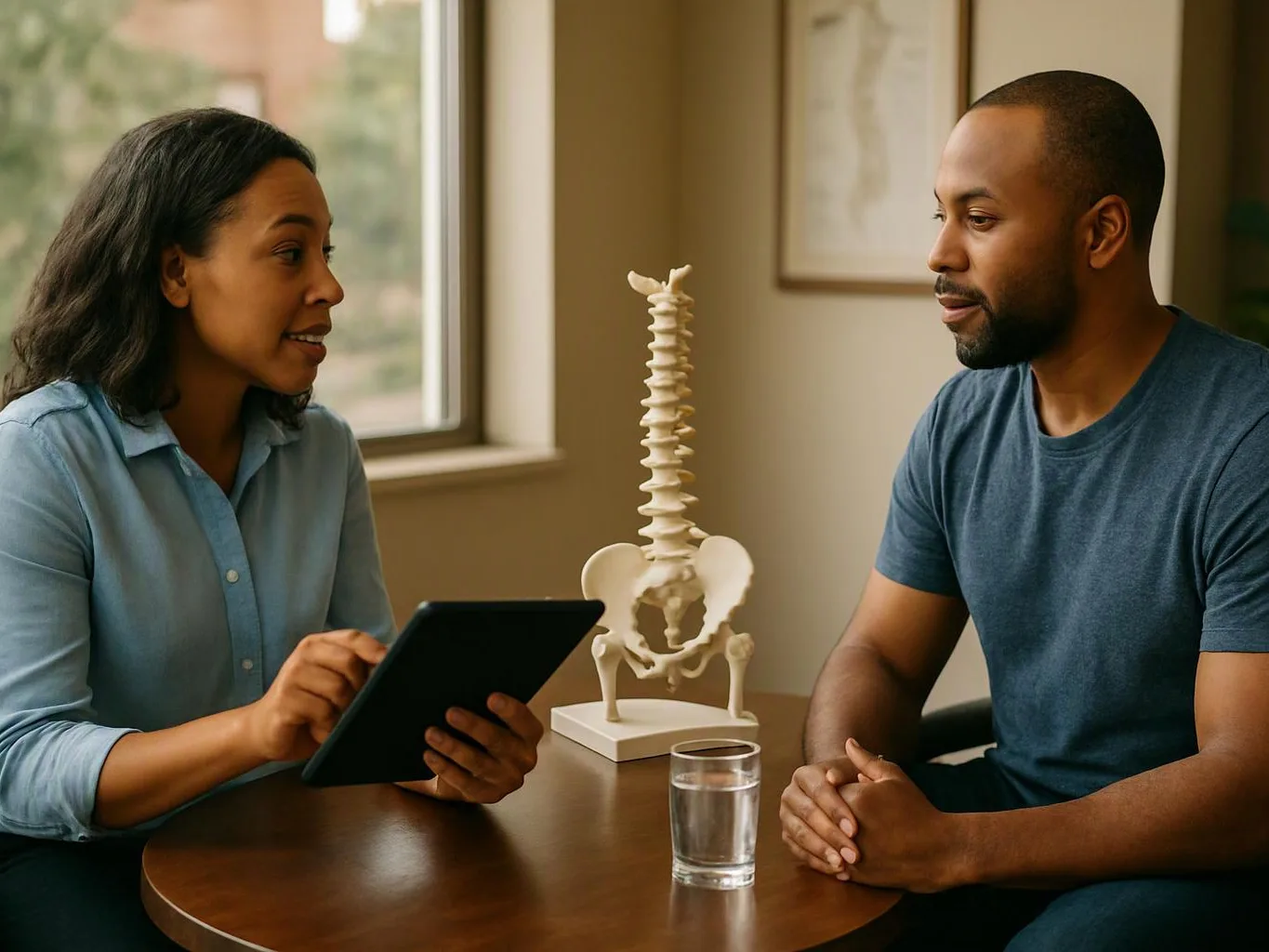
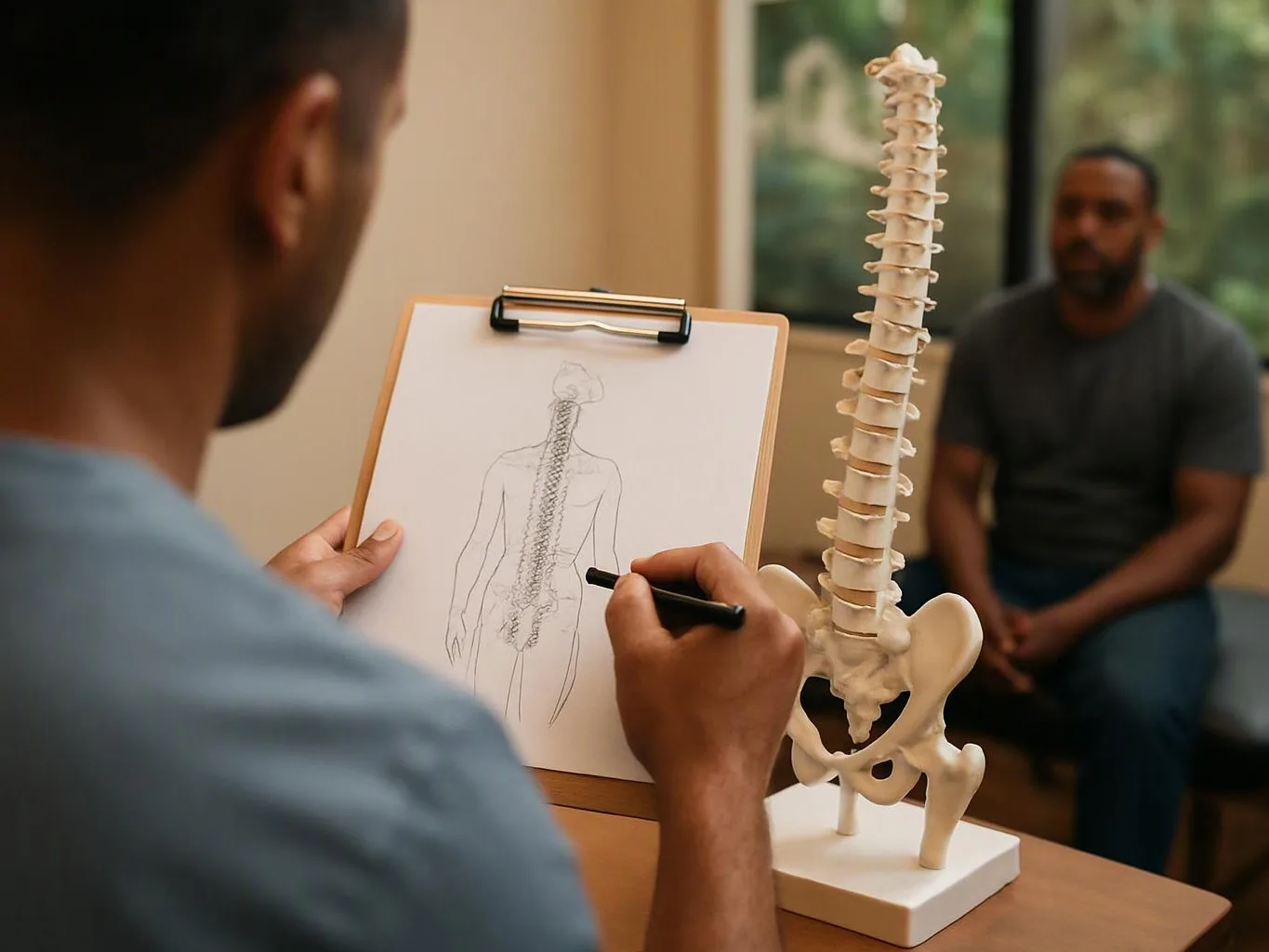
Treatment questions should cover the exam findings, proposed methods, expected goals, and warning signs that need medical care. Ask how each adjustment, exercise, or soft tissue method relates to your symptoms. We explain the plan in plain language, so you can make an informed choice before care begins.
Which condition changes the time needed for an evaluation?
A complex symptom pattern can require a broader evaluation before a care plan is set. Health history, past injury, jaw concerns, neck movement, and headache triggers all shape the review. We don't promise a fixed visit length because the needed assessment depends on the information and findings.
How is headache care matched to my symptoms before work starts?
Your intake and exam match care to your symptoms before treatment begins. The review covers headache patterns, muscle tension, neck movement, posture, jaw function, and daily habits. We then explain whether adjustments, soft tissue therapy, corrective exercises, or wellness guidance fit the findings.
Why can poor sleep affect a headache pattern?
Poor sleep can increase muscle tension and leave the body less able to recover from daily strain. The intake asks about sleep quality, morning symptoms, jaw clenching, and neck tightness. We use that information with the exam findings to shape practical care and wellness guidance.
When should headache symptoms receive medical attention first?
Sudden severe head pain, fainting, weakness, confusion, vision loss, or new serious symptoms require urgent medical attention first. Chiropractic care doesn't replace emergency evaluation. If symptoms are less urgent but keep returning, share the full pattern during a consultation so the appropriate next step can be discussed.
Can corrective exercises support headache care at home?
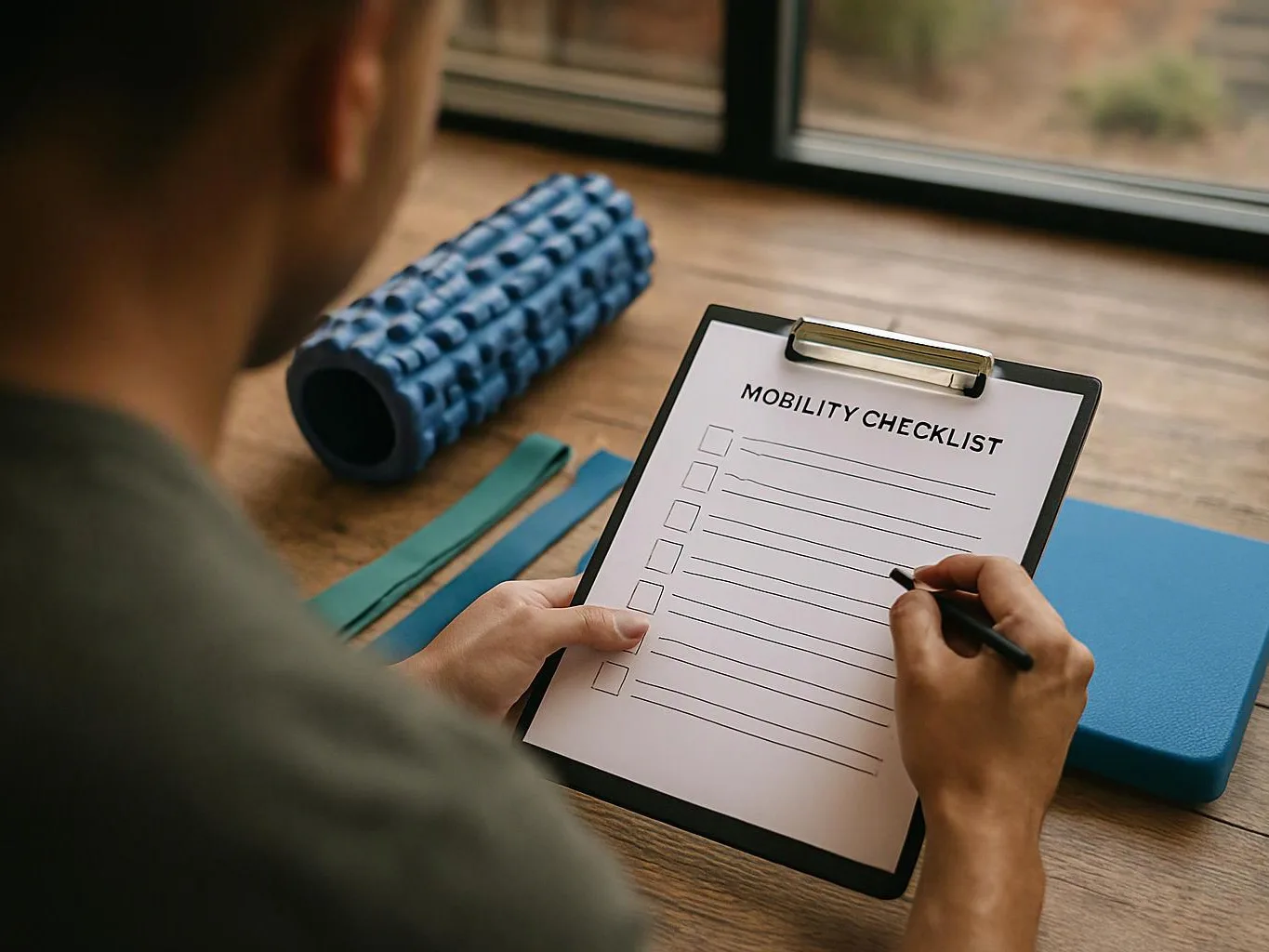
Corrective exercises may support headache care when they match the exam findings and your movement needs. We explain each exercise and how it relates to posture, neck motion, or daily strain. Self-directed exercises aren't right for every symptom, so ask for guidance before adding them to your routine.