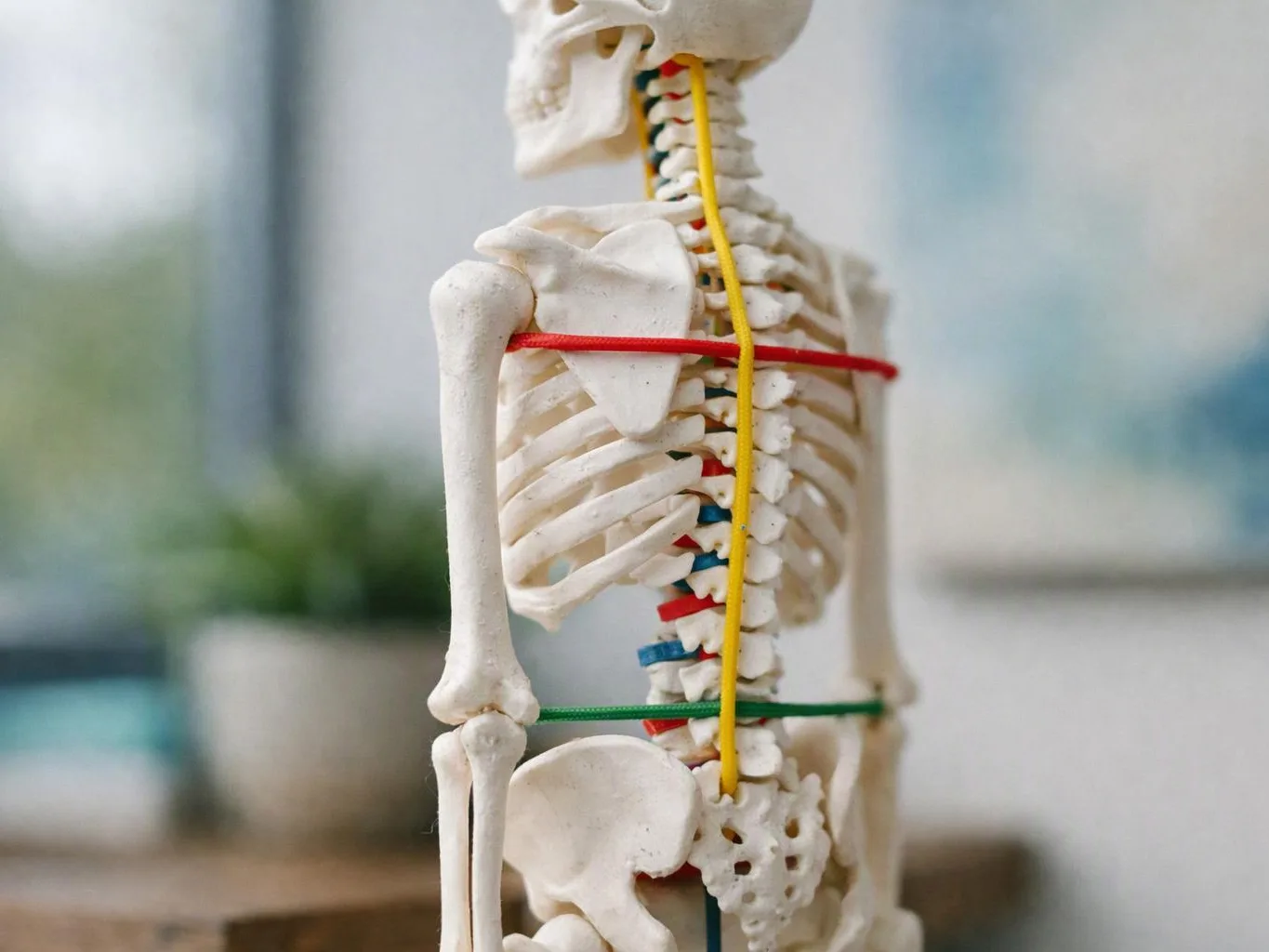
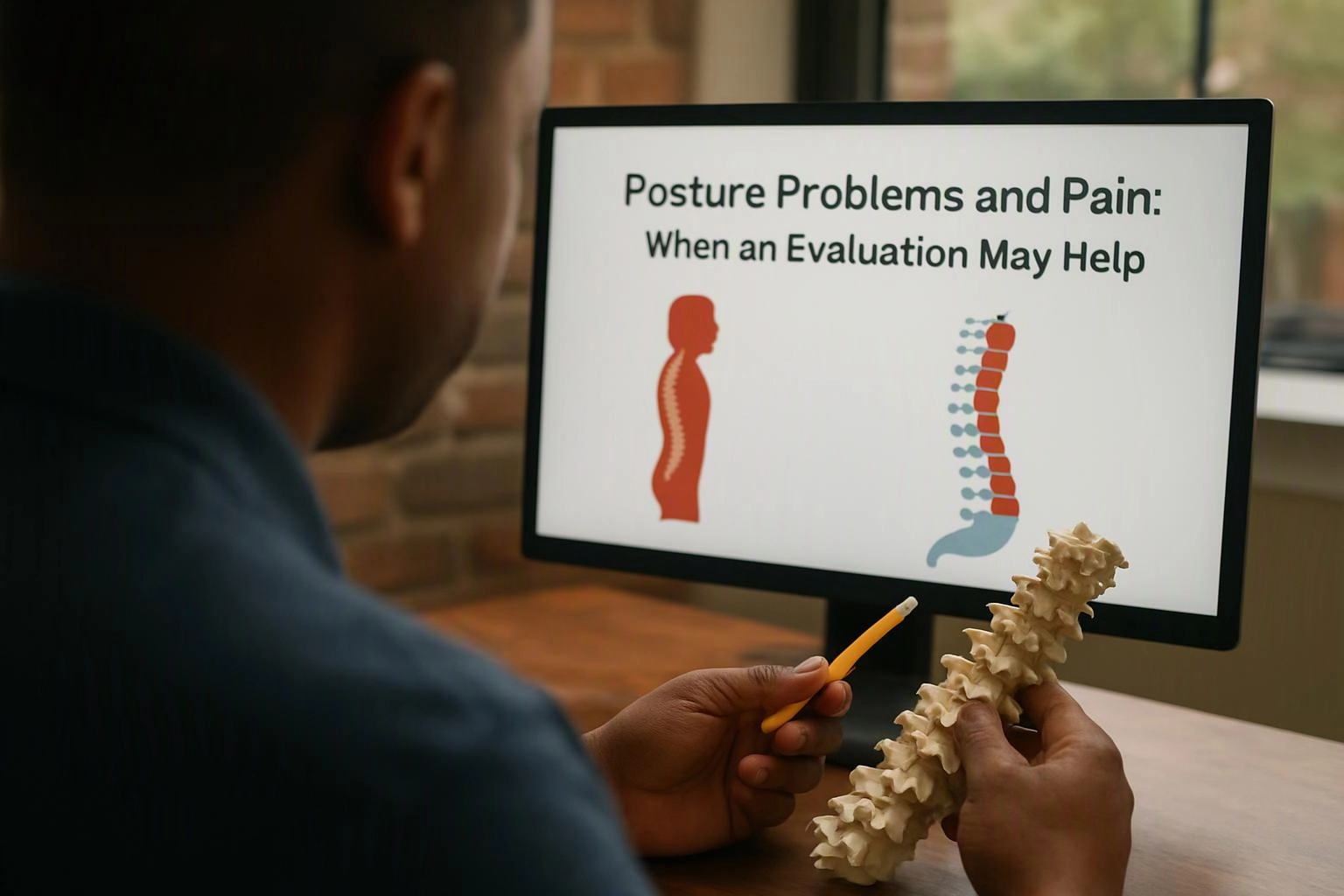
Posture Problems and Pain: When an Evaluation May Help
Chiropractic care for posture problems can assess alignment, movement, and pain patterns to determine whether posture correction, corrective exercise therapy, or chiropractic adjustment may help; Arrowhead Clinic Chiropractor performs that evaluation.
Request an EstimateWhat Posture Problems Can Look and Feel Like?
Posture problems are movement and alignment concerns that can affect how your body feels during sitting, standing, walking, and daily activity. We look for patterns that may explain discomfort or make movement harder.
Can Poor Posture Cause Back or Neck Pain?
Yes, poor posture can contribute to back or neck pain by placing sustained stress on muscles, joints, and supporting tissues, although pain can also have other causes that require evaluation.
Poor posture can change spinal alignment and increase muscle strain during ordinary activities. It can also place added joint stress on the neck, upper back, or lower back. Our team uses a pain assessment and movement exam to determine whether posture is part of the pattern.
Common Causes of Posture Problems
Posture problems often develop from repeated demands on the body rather than one isolated event. We review daily routines because the cause can guide the care plan.
When Should Posture-Related Pain Be Evaluated?
Posture-related pain should be evaluated when discomfort persists, movement becomes limited, standing upright becomes difficult, or symptoms worsen or include concerning changes such as weakness or numbness.
A musculoskeletal evaluation can help separate posture-related discomfort from other causes of pain. Warning signs include worsening symptoms, new neurological symptoms, unusual weakness, numbness, or a clear change in balance or movement. We use these details to decide whether chiropractic care fits or whether another type of medical evaluation is more appropriate.
What We Check During a Posture Evaluation
A posture evaluation reviews alignment, movement, pain history, and daily habits to identify factors linked to the complaint. Our team connects the findings to practical care options and movement goals.
| Evaluation area | What we look for | Why it matters |
|---|---|---|
| Postural assessment | Head and neck position, shoulder position, pelvic position, and overall postural alignment | Shows how your body is positioned at rest |
| Spinal alignment | Alignment changes that may affect loading or comfort | Helps connect posture with symptoms and body mechanics |
| Range of motion | How freely the neck, spine, shoulders, and hips move | Identifies movement restrictions |
| Muscle balance | Areas of tension, weakness, or uneven support | Helps guide exercise and movement retraining |
| Movement patterns | How you bend, reach, walk, sit, and stand | Shows how posture changes during activity |
| Pain history | Location, triggers, changes, and related symptoms | Places the current complaint in context |
| Daily habits | Sitting posture, workstation habits, exercise, sleep positions, and lifting mechanics | Identifies factors that may maintain the problem |
Can a Chiropractor Help With Posture Problems?
Yes, chiropractic care may help posture problems when an evaluation identifies movement, joint, muscle, or habit-related factors that respond to posture correction, corrective exercise therapy, or chiropractic adjustment.
Our team may use chiropractic adjustment when joint movement is part of the concern. We may also recommend movement retraining and practical changes that support better body mechanics during daily activities.
How Posture Correction and Corrective Exercise Therapy Fit Together
Posture correction focuses on improving how you position and use your body. Corrective exercise therapy can support core strength, mobility, muscle balance, and body awareness.
These approaches work best when they match the findings from the evaluation. We adjust the care plan to your symptoms, movement limits, and ability to use the changes consistently.
Our Posture Correction service explains how we connect evaluation findings with movement-focused care.
What You Can Do to Improve Difficulty Standing Up Straight
Difficulty standing upright often improves when standing posture, mobility, strength, and daily body mechanics are addressed together. You can use the following steps as general guidance while paying attention to pain or worsening symptoms.
Ways to Prevent Posture Problems From Returning
Prevention depends on consistent habits that reduce strain and keep your body moving. We help you identify which changes are realistic for your work, exercise, and home routines.
Small adjustments can support lasting movement changes when they are practiced regularly and matched to your symptoms.
Choosing the Right Next Step for Posture-Related Pain
The right next step depends on the pain pattern, movement limits, contributing habits, and findings from an evaluation; Arrowhead Clinic Chiropractor uses those factors to guide whether posture correction, corrective exercise therapy, chiropractic adjustment, or another referral is appropriate.
Bring a clear symptom history, including when the discomfort began, what activities affect it, and whether weakness or numbness is present. We use that information with the posture evaluation to build a focused care plan.
When posture-related pain affects daily movement or makes standing upright difficult, contact Arrowhead Clinic Chiropractor to request an evaluation.
Questions About Posture Problems and Pain
What happens during a posture evaluation?
Arrowhead Clinic Chiropractor reviews your pain history, posture, spinal alignment, range of motion, muscle balance, movement patterns, and daily habits during a posture evaluation. We use those findings to guide posture correction, corrective exercise therapy, chiropractic adjustment, or another appropriate next step.
Can posture exercises help with neck pain?
Yes, posture exercises may help neck pain when muscle weakness, limited mobility, or movement habits contribute to the problem. We match corrective exercise therapy to the evaluation findings and avoid exercises that increase symptoms.
Why is it hard to stand up straight?
Difficulty standing up straight can relate to muscle weakness, joint mobility limits, pain, fatigue, or long-standing movement patterns. A posture evaluation helps identify which factors affect your standing posture and what care may help.
When is posture-related pain a sign of a more serious problem?
Posture-related pain needs prompt evaluation when symptoms worsen or occur with weakness, numbness, major movement changes, or difficulty standing and walking. We review these warning signs and guide you toward the appropriate evaluation when chiropractic care is not the right next step.