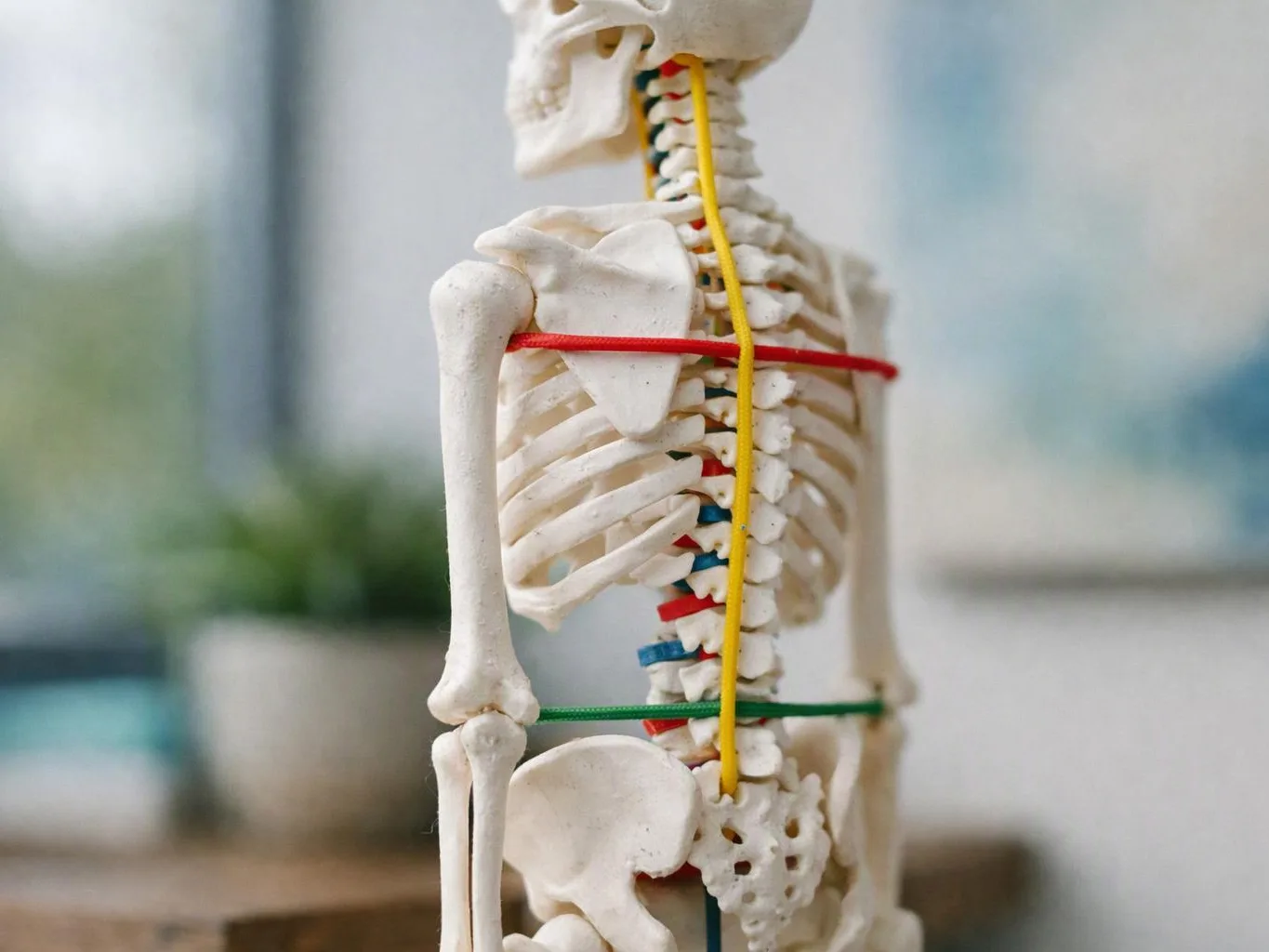
Chiropractic Care After a Car Accident: Injury Assessment and Treatment Considerations
Chiropractic care after a car accident can help assess musculoskeletal injuries, guide appropriate treatment, and identify when further medical evaluation or imaging is needed; Arrowhead Clinic Chiropractor performs the assessment and treatment planning.
Request an Estimate
Can Chiropractic Care Help After a Car Accident?
Chiropractic care can help evaluate and manage accident-related musculoskeletal injuries when the examination supports conservative treatment.
A vehicle collision can affect the neck, back, muscles, joints, ligaments, and nerves. Pain and restricted movement may indicate a car accident injury even when the symptoms seem mild at first.
We review the injury mechanism, examine movement, and look for findings that support chiropractic treatment. Our team also identifies situations that call for medical evaluation or a medical referral.
Learn more about our Auto Accident Injury Treatment approach.
What We Check During a Car Accident Injury Assessment
An injury assessment combines your accident history with a focused physical examination. We use the findings to decide whether conservative care is suitable and whether further evaluation is needed.
The examination does not rely on pain alone. We also consider movement, tenderness, muscle tightness, neurological findings, and the overall injury pattern.
Can Chiropractic Care Help With Whiplash?
Whiplash may respond to chiropractic care when an assessment determines that chiropractic treatment is appropriate.
Whiplash is commonly associated with neck strain and soft-tissue injury after a sudden vehicle movement. Symptoms can include neck pain, headache, stiffness, muscle tension, and reduced range of motion.
We match care to the examination findings and your treatment response. The plan may focus on gentle mobility, soft-tissue care, exercise guidance, and other conservative methods that fit the condition.
When Are X-Rays Needed After a Car Accident?
X-ray imaging may be considered when the examination or accident history raises concern about bone injury, spinal alignment, or another condition requiring further evaluation.
We do not treat imaging as a substitute for an examination. Red-flag symptoms, trauma details, and physical findings help determine whether we continue with chiropractic care or recommend medical evaluation.
| Finding or concern | How it may shape the next step |
|---|---|
| Concern about fracture or bone injury | Further medical evaluation and diagnostic imaging may be needed before chiropractic treatment. |
| Possible change in spinal alignment | Imaging may help assess the spine and guide safe treatment decisions. |
| Red-flag symptoms or neurological changes | We may recommend prompt medical referral instead of beginning routine conservative care. |
| Musculoskeletal pain without warning signs | The clinical examination may support a conservative treatment plan. |
What Treatment May Follow the Initial Assessment?
A treatment plan may include a chiropractic adjustment, manual therapy, mobility assessment, soft-tissue care, and exercise guidance.
We select each part of care based on the injury assessment, symptom pattern, movement findings, and treatment response. Care may be adjusted as your symptoms and range of motion change.
A chiropractic adjustment is one treatment option that may address joint movement when the examination supports it. Our team explains the planned approach before treatment and monitors how your body responds.
Our Auto Accident Injury Treatment process is designed to connect assessment findings with practical conservative care and follow-up assessment.
How We Decide Whether Chiropractic Treatment Is Appropriate
Chiropractic treatment is appropriate when the clinical findings support conservative care and no urgent medical concern takes priority. We use several factors to make that decision.
Our goal is to keep the care plan connected to the examination. We do not use the same approach for every collision injury.
What Should You Bring to a Car Accident Chiropractic Visit?
Bring accident details, your symptom timeline, available medical records, imaging records, medication information, and insurance information.
Accident details can include the direction of impact, the type of collision, and what your body experienced during the crash. A symptom timeline helps us compare immediate symptoms with changes that developed later.
Medical and imaging records can help our team understand prior evaluations and current findings. Medication information also gives us useful context during the injury assessment.
How Can You Start an Accident Injury Assessment?
Arrowhead Clinic Chiropractor starts with an initial consultation and injury assessment to determine whether chiropractic care fits your needs.
We review the accident history, discuss your symptoms, perform a clinical examination, and explain whether imaging or medical referral should be considered. If conservative care is suitable, we outline the proposed treatment plan and follow-up process.
Free Consultations are available for people who want to discuss an auto accident injury before deciding on care. Use our contact page to request an initial consultation.
Call Arrowhead Clinic Chiropractor to begin an injury assessment and discuss Auto Accident Injury Treatment.
Questions About Chiropractic Care After a Car Accident
Is it safe to see a chiropractor after a car accident?
Arrowhead Clinic Chiropractor can provide chiropractic care after a car accident when the examination supports conservative treatment. We first check for findings that may require medical evaluation, imaging, or referral.
What symptoms should be checked after a car accident?
Car accident symptoms that should be checked include neck pain, back pain, stiffness, headache, restricted movement, radiating pain, numbness, tingling, and weakness. We also consider symptoms that appear or change after the collision.
Should I see a chiropractor even if I do not feel pain after a crash?
A chiropractic injury assessment may still be useful after a crash when symptoms have not appeared. We review the accident mechanism and check movement and other findings that can help identify whether follow-up care is appropriate.
When should neck pain after a car accident receive medical evaluation?
Neck pain after a car accident should receive medical evaluation when it occurs with neurological changes, severe symptoms, suspected fracture, or other red-flag symptoms. We recommend medical referral when the examination shows that chiropractic care is not the appropriate first step.
Can a chiropractor identify injuries that do not appear immediately?
A chiropractor can identify examination findings that may not be obvious immediately after a collision. We review symptom changes, movement, tenderness, muscle tension, and neurological signs during the initial and follow-up assessment.